
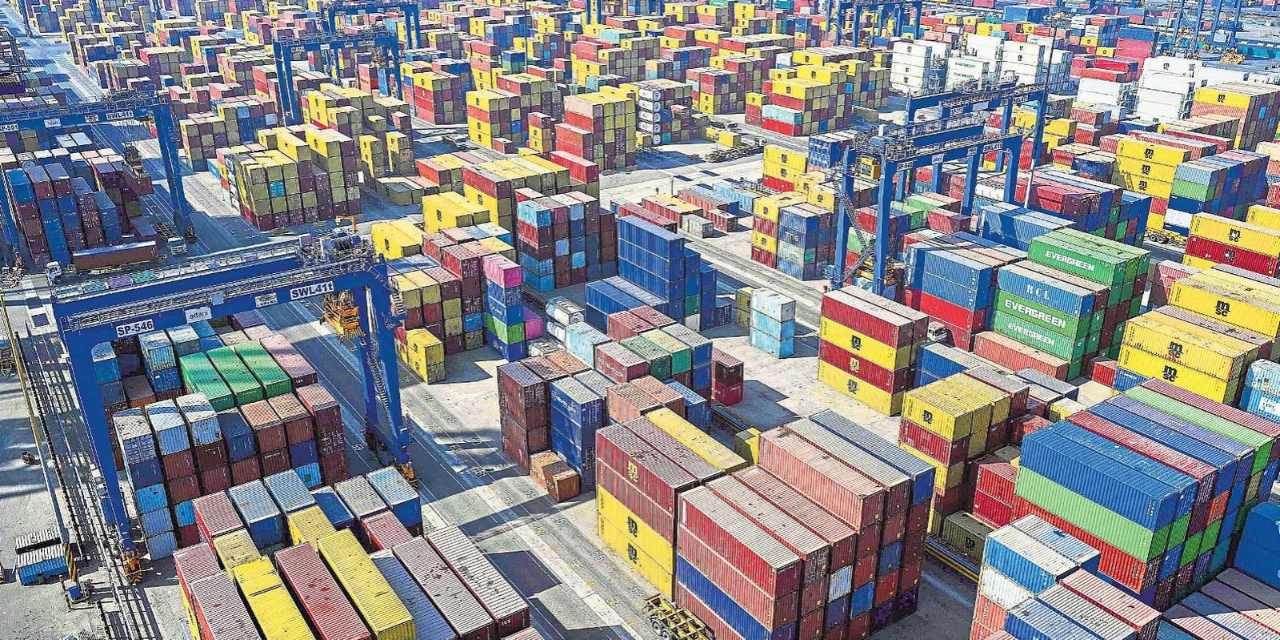
India's Free Trade Agreements (FTAs) are designed to expand market access and strengthen exports. However, high tariffs and restrictions on imported raw materials and intermediate goods could limit the benefits for domestic manufacturers, raising concerns about India's ability to compete in global markets.
According to Rahul Ahluwalia, founding director of the Foundation for Economic Development, expensive inputs can discourage companies from manufacturing in India and prevent existing manufacturers from expanding production. When businesses face higher costs for imported materials, their finished products may become less competitive in international markets.
Another challenge is that some importers reportedly avoid claiming FTA benefits because of the administrative difficulties involved in meeting compliance and documentation requirements. Instead, they choose to pay the full customs duty, reducing the practical value of preferential trade agreements.
The concern highlights a key issue in India's trade policy: while FTAs can improve access to overseas markets, their success also depends on affordable access to global inputs. Reducing import-related barriers and simplifying FTA procedures could help Indian manufacturers lower production costs, improve competitiveness and make better use of international trade agreements.


No comments yet. Be the first to share your thoughts!