
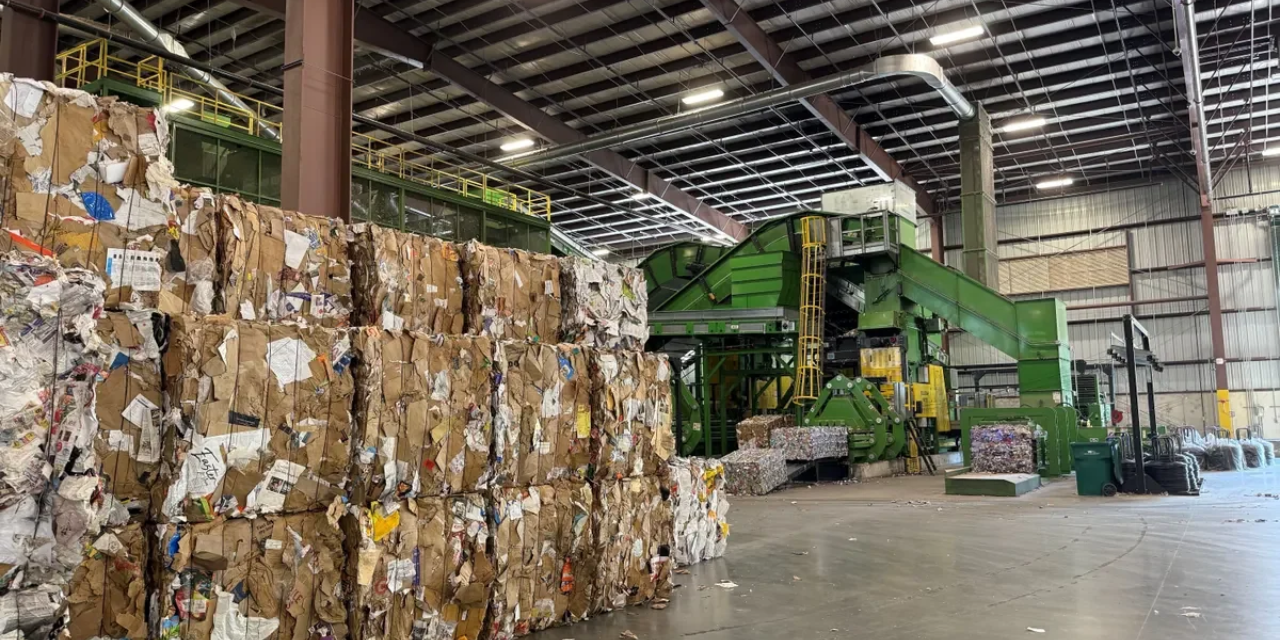
The global recovered paper and recycled fiber market is undergoing significant changes, with Old Corrugated Containers (OCC) continuing to dominate demand despite evolving recycling technologies, changing material quality and increasing cost pressures.
Industry experts highlighted these developments during sessions at the Paper and Plastics Recycling Conference held on October 28–29, 2026, where discussions focused on recovered fiber demand, grade substitution and quality challenges.
According to industry expert Bill Moore, President of Moore & Associates, demand for OCC has increased consistently over the past 25 years, while mixed paper demand has remained relatively flat and newsprint consumption has continued to decline.
In the United States, recovered paper volumes reached nearly 45,000 tonnes in 2025. OCC accounted for approximately 33,000 tonnes, followed by mixed paper at 5,500 tonnes and deinked high grades at 3,400 tonnes.
Recycling Market Shifts Towards Packaging Grades
The North American recycled fiber market has experienced a major transformation over the past decade. Recycled fluting volumes increased by 7% and testliner by 6%, while standard newsprint dropped out of the region's top 10 recycled fiber grades.
The decline in sorted office paper (SOP) and mixed paper has also accelerated due to changing workplace practices, reduced office attendance and improved material sorting technologies.
Industry representatives noted that advanced optical sorting systems at Material Recovery Facilities (MRFs) are increasingly separating cardboard from mixed paper, improving the recovery of OCC and changing the composition of recycled fiber streams.
Quality Control Becomes Increasingly Important
Advancements in recycling technologies and stricter material recovery practices have improved the quality of certain recovered paper grades. However, the quality of sorted office paper remains a concern as the availability of high-quality recycled material declines.
Industry participants also highlighted the impact of China's National Sword policy, which encouraged improvements in recovered paper quality and recycling standards.
Manufacturers are increasingly exploring alternative recovered materials, including pre-consumer and post-consumer waste, to maintain the required quality and recycled content in their products.
Rising OCC Prices Encourage Fiber Substitution
Increasing OCC prices during 2026 have encouraged some paper mills to explore alternative fiber grades, particularly mixed paper.
Industry representatives reported a price difference of approximately $60 between OCC and mixed paper in October, encouraging some manufacturers to adjust their fiber recipes to manage production costs.
Meanwhile, recycled fiber utilization in containerboard production increased from 48% in 2008 to 56% in 2025, reflecting the growing importance of recovered materials in packaging manufacturing.
Growing Recycled Packaging Capacity Reshapes Global Demand
Global recycled fiber production capacity has expanded significantly, with approximately 252 million tonnes of fiber lines added since 1990. Most of this capacity has been based on recycled fiber rather than virgin materials.
North America has also added substantial recycled containerboard capacity, particularly between 2018 and 2023. However, changing packaging requirements, lightweighting, right-sizing and the shift from corrugated boxes to e-commerce mailers are influencing containerboard demand and OCC generation.
Despite these changes, OCC remains a critical raw material for the global paper and packaging industry, with its demand, quality and pricing continuing to influence the recovered fiber market.


No comments yet. Be the first to share your thoughts!