
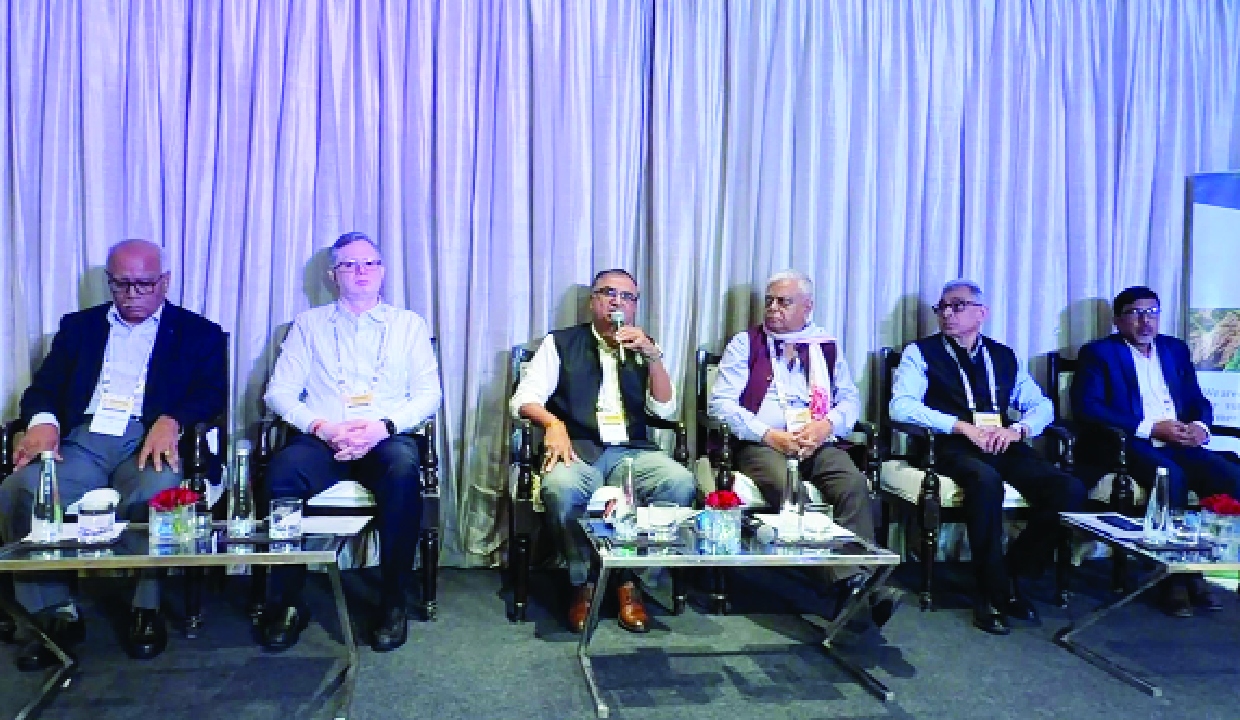
Unauthorised herbicide-tolerant Bt (HTBt) cotton is estimated to cover nearly a quarter of India’s cotton acreage, according to a new field study. The report, titled Unauthorised Cultivation of HTBt Cotton in India: Extent, Drivers & Implications, was conducted by the South Asia Biotechnology Centre (SABC), with support from the Federation of Seed Industry of India and the National Seed Association of India.
The study estimates that 65–72 lakh acres were under unauthorised HTBt cotton during Kharif 2025-26. This represents around 24–30% of India’s total cotton area and has contributed to an informal seed market estimated at ₹1,500 crore.
High Weed-Control Costs Drive Adoption
The report identifies rising labour costs as a major factor behind the adoption of unauthorised HTBt cotton. Manual weeding can cost farmers around ₹12,000–15,000 per acre, while glyphosate-based weed control costs approximately ₹750–850 per acre.
Glyphosate consumption increased 26% year-on-year, from 27,721 kilolitres in 2024-25 to 35,642 kilolitres in 2025-26, according to the study.
Laboratory testing also found that 98.2% of tested field samples contained at least one genetically modified trait. Around 42% were identified as quadruple-stack varieties containing four transgenes, including Vip3A.
Maharashtra Leads Adoption
Maharashtra has emerged as the largest centre for unauthorised HTBt cotton cultivation, with an estimated adoption rate of 58%. The figure rises to 76% in Yavatmal.
Telangana and Andhra Pradesh reported adoption rates of 66% and 49%, respectively. Adoption reached 82% in Mahabubabad and 75% in Kurnool.
The study warns that the continued use of unapproved seeds and uncontrolled glyphosate application could increase the risk of herbicide- and pest-resistant weeds and insects.
Industry representatives have called for faster regulatory action to provide farmers with approved technologies, along with stronger monitoring and integrated weed-management practices.
The report recommends faster approval of BGII-RRF cotton, regulated in-crop glyphosate use, herbicide rotation and stronger field surveillance. It also highlights the need to ensure farmers have access to quality-assured seeds through legal channels.


No comments yet. Be the first to share your thoughts!