
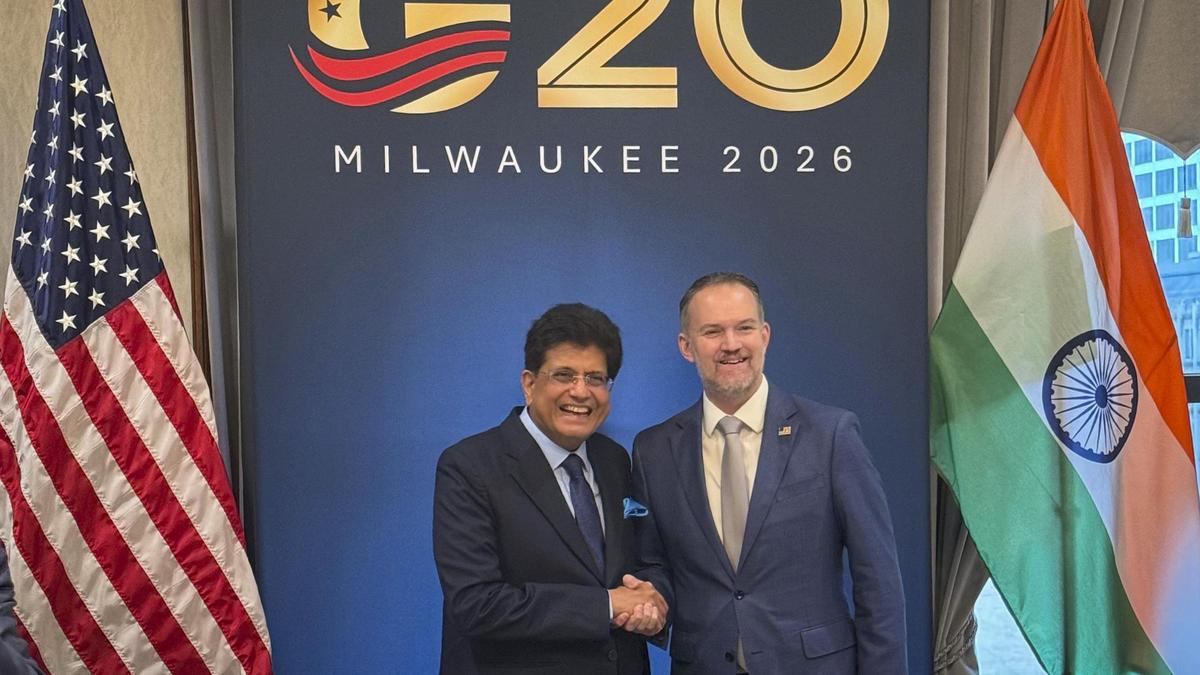
India has defended its trade policies at the G20 Trade Ministers’ Meeting in Milwaukee, Wisconsin. Commerce and Industry Minister Piyush Goyal addressed U.S. concerns over forced labour and structural excess capacity.
India’s Position on Forced Labour
Goyal said India has an “absolute and unconditional” commitment to eliminating forced labour. Article 23 of the Indian Constitution prohibits forced labour.
India has also ratified International Labour Organization (ILO) Conventions 29 and 105. In July 2026, India amended its Foreign Trade Policy to prohibit imports of goods produced using forced labour.
Goyal said trade measures should rely on specific and verifiable evidence. He also called for due process and compliance with World Trade Organization (WTO) rules.
India Rejects Excess Capacity Concerns
The U.S. is investigating 60 countries over structural excess capacity and production. The investigation could lead to additional tariffs on imports.
India has rejected concerns that it has structural excess capacity in the sectors identified by the U.S. Goyal said India’s manufacturing capacity serves both domestic and global markets.
He also highlighted India’s growing manufacturing value chains, from design to finished products.
Goyal Calls for WTO-Compliant Measures
Goyal acknowledged concerns about trade-distorting support and the risk of dumping or predatory pricing. However, he said such issues should be addressed through WTO-compliant measures.
These can include anti-dumping and countervailing duties based on evidence and subject to judicial review.
India also supports supply-chain diversification. However, Goyal said it should not become a reason for measures outside WTO rules or place an unfair adjustment burden on developing economies.
The discussions come as India faces a 10% U.S. tariff linked to concerns over imports of goods made using forced labour. The ongoing U.S. investigations could create further trade challenges for Indian exporters.


No comments yet. Be the first to share your thoughts!