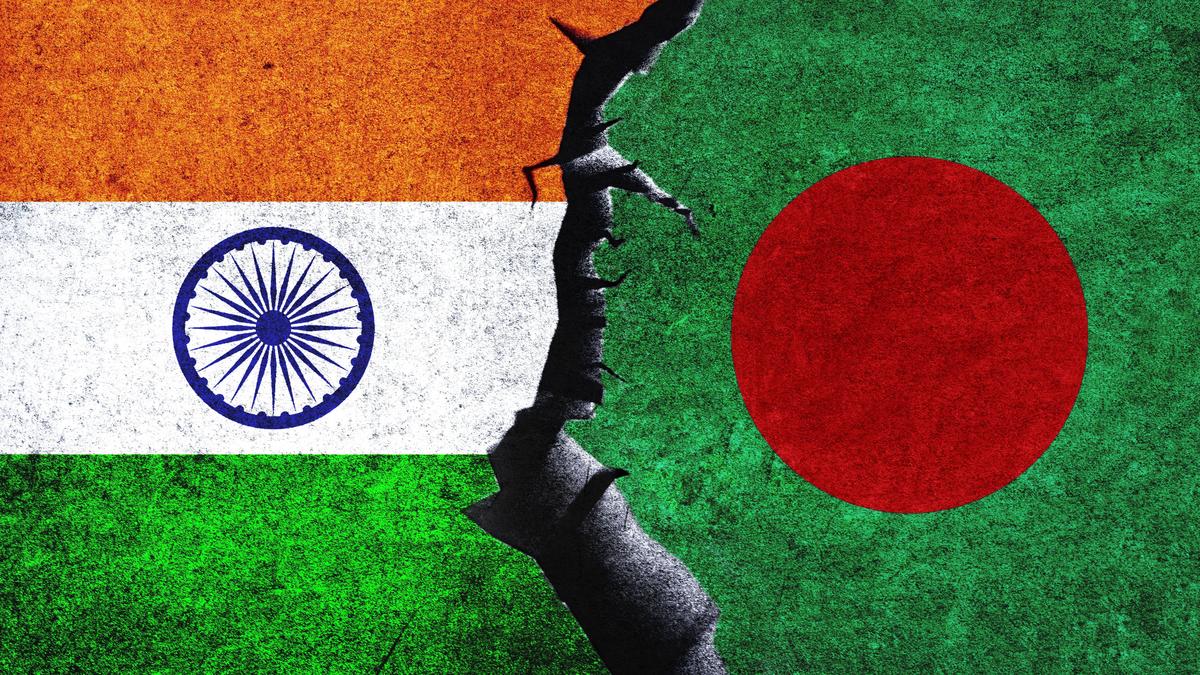
India and Bangladesh have resumed trade discussions after a three-year gap. The joint working group on trade met in New Delhi on October 8–9, 2026, to address long-standing trade barriers and improve bilateral commerce.
The talks focused on port restrictions, non-tariff barriers, land-based trade and market access. Both countries aim to resolve issues affecting exporters and strengthen trade cooperation.
Bangladesh Seeks Relief from Port Restrictions
Bangladesh urged India to ease port restrictions that have affected exports of readymade garments, processed food, plastic products, wooden furniture and cotton waste. Dhaka also raised concerns about restrictions on jute and jute products, along with testing and certification requirements that limit market access.
Bangladesh is also seeking clarity on duty-free access to India under the South Asian Free Trade Agreement (SAFTA) as it prepares to graduate from its least developed country (LDC) status.
India Seeks Better Market Access
India called on Bangladesh to remove restrictions on yarn shipments through land routes and reduce high tariffs on Indian goods. These issues remain important for improving trade flows between the two neighbours.
According to the report, Bangladesh exported goods worth $1.75 billion to India in 2025–26. Meanwhile, India’s exports to Bangladesh reached $10.96 billion during the same period.
Trade Engagement Amid Political Tensions
The meeting marked an important step towards restarting formal discussions on unresolved trade concerns. Although the joint working group did not make major decisions, the talks are expected to support further negotiations at higher levels.
Despite ongoing political challenges, both countries continue to engage on trade and connectivity. The renewed dialogue could help address barriers, improve market access and create better opportunities for businesses in both markets.


No comments yet. Be the first to share your thoughts!