India’s apparel market is projected to grow from $95.7 billion in 2025 to $146.3 billion by 2029. This represents an annual growth rate of 9%, according to a report by the Clothing Manufacturers Association of India (CMAI) and market research firm 1Lattice.
India is currently the world’s fourth-largest apparel market. Rising consumer spending, changing lifestyles and growing demand for comfortable clothing are supporting the sector’s expansion. Smaller cities and rural markets are also creating new opportunities for apparel brands and manufacturers.
Smaller Cities and Rural Markets Drive Growth
Rural India accounts for approximately 58% of the country’s apparel consumption, with a market size of $55.9 billion. Meanwhile, metro and Tier-1 cities together account for $14.2 billion.
Tier-2 cities contribute $8.5 billion, while Tier-3 cities and smaller markets account for $17.1 billion. These figures highlight the growing importance of consumers beyond major metropolitan areas.
According to CMAI, brands must focus on affordable pricing, wider distribution and locally relevant product ranges. Expanding retail networks in smaller towns could help businesses reach new customers and strengthen their market presence.
Womenswear and Kidswear Offer Strong Potential
India’s apparel industry has recorded a strong recovery since the pandemic. The market expanded from $49.3 billion in 2020 to $95.7 billion in 2025, reflecting an annual growth rate of 18% over the period.
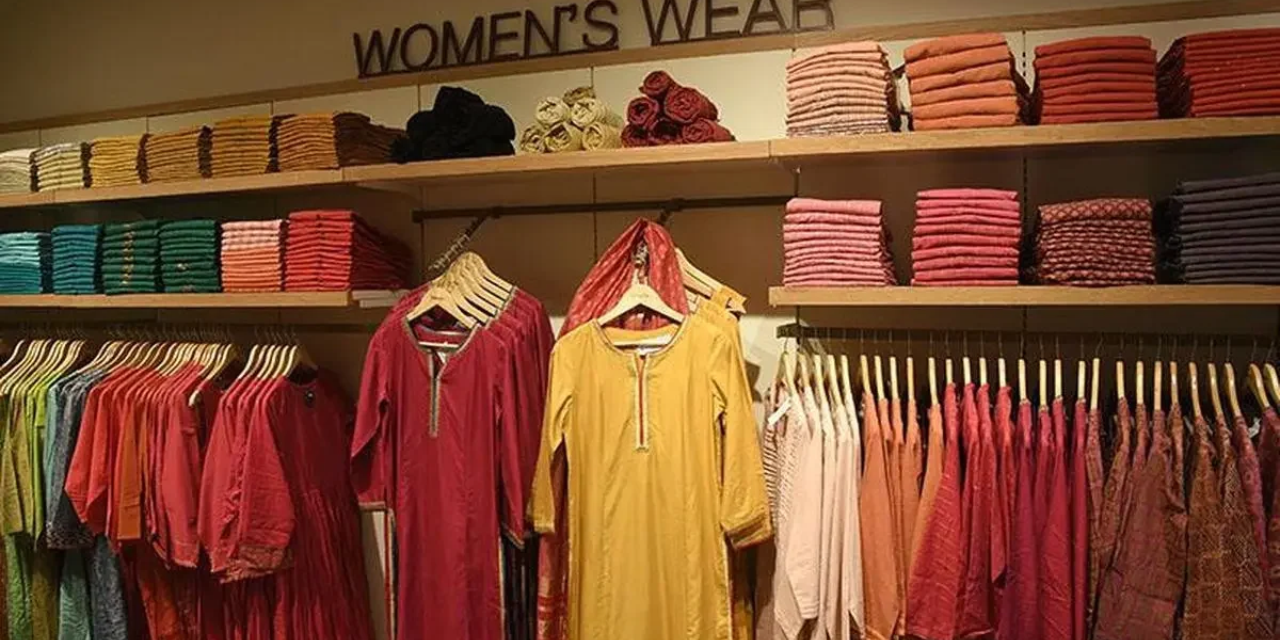
Menswear remains the largest segment, valued at $38.5 billion in 2025. Womenswear follows at $35.6 billion, while kidswear accounts for $21.6 billion.
However, future growth is expected to create opportunities across all three segments. The report projects that kidswear will grow at a compound annual growth rate (CAGR) of 9.4% between 2025 and 2029. Womenswear is expected to grow at 8.9% over the same period.
Casualwear and Comfort Shape Consumer Preferences
Casualwear is the largest apparel category in India, accounting for 31% of the market. Ethnic wear follows at 27%, while formalwear represents 26%.
Consumer preferences are also changing across age groups. Men are increasingly choosing versatile clothing that suits work, leisure and social occasions. In womenswear, traditional ethnic styles continue to remain important, alongside Indo-Western designs and contemporary silhouettes.
Demand for athleisure is also rising, particularly in menswear. Quick-dry T-shirts, stretchable joggers and moisture-wicking polos are gaining attention. In kidswear, parents are showing greater interest in breathable fabrics, sportswear and activity-friendly clothing.
As India’s apparel market expands, manufacturers and retailers will need to respond to changing preferences, price expectations and regional demand. Investments in distribution, product innovation and accessible fashion could help businesses benefit from the next phase of industry growth.


No comments yet. Be the first to share your thoughts!