
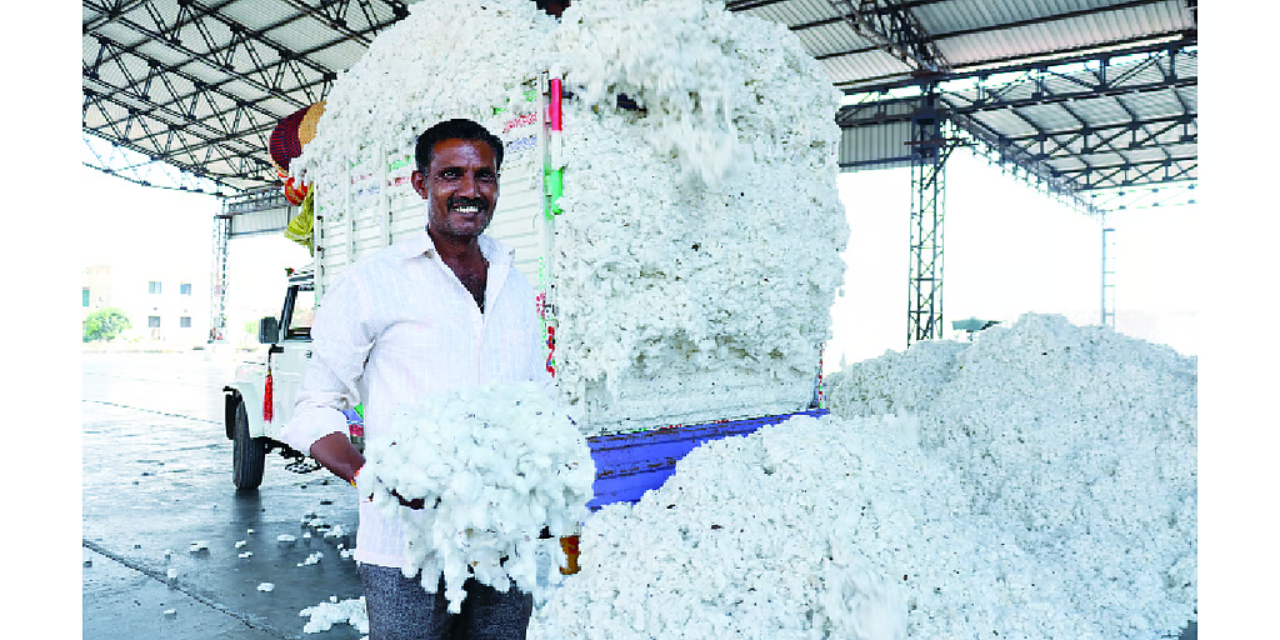
Cotton plays a vital role in India's agricultural economy, supporting millions of rural households, particularly smallholder farmers and women. However, despite their contribution to the cotton industry, farmers receive only a limited share of the value generated across the textile supply chain.
Rising input costs, unpredictable weather conditions and pressure on natural resources have increased the need for sustainable cotton cultivation. Farmers across India's cotton-growing regions are increasingly adopting regenerative agricultural practices to reduce chemical usage, improve soil health and strengthen climate resilience.
A recent regenerative cotton initiative demonstrated the economic benefits of sustainable farming. Under the programme, cotton harvested by 1,731 farmers was collectively marketed as a distinct product. Around 3,555 tonnes of seed cotton reached ginners, helping participating farmers earn an additional premium of ₹2,000 per tonne.
The initiative highlights how sustainability can become an additional source of income when buyers recognise and reward responsible farming practices.
To strengthen farmers' position in the cotton value chain, greater access to training, credit, technology, farmer collectives and direct market linkages is essential. Collective marketing can improve bargaining power and help smallholders secure better prices for their produce.
Differentiated cotton markets and sustainability-linked premiums can further encourage farmers to adopt regenerative methods. Carbon finance also offers potential opportunities to generate additional income through farming practices that improve soil health and store carbon.
The contribution of women in cotton cultivation and processing also needs greater recognition, alongside improved access to land, finance, technology and markets.
Building a fairer cotton value chain requires the textile industry to ensure that economic benefits reach farmers, rather than remaining concentrated among downstream participants. Recognising sustainable farming, strengthening rural enterprises and improving farmer participation can help create a more inclusive, resilient and environmentally responsible cotton industry.


No comments yet. Be the first to share your thoughts!